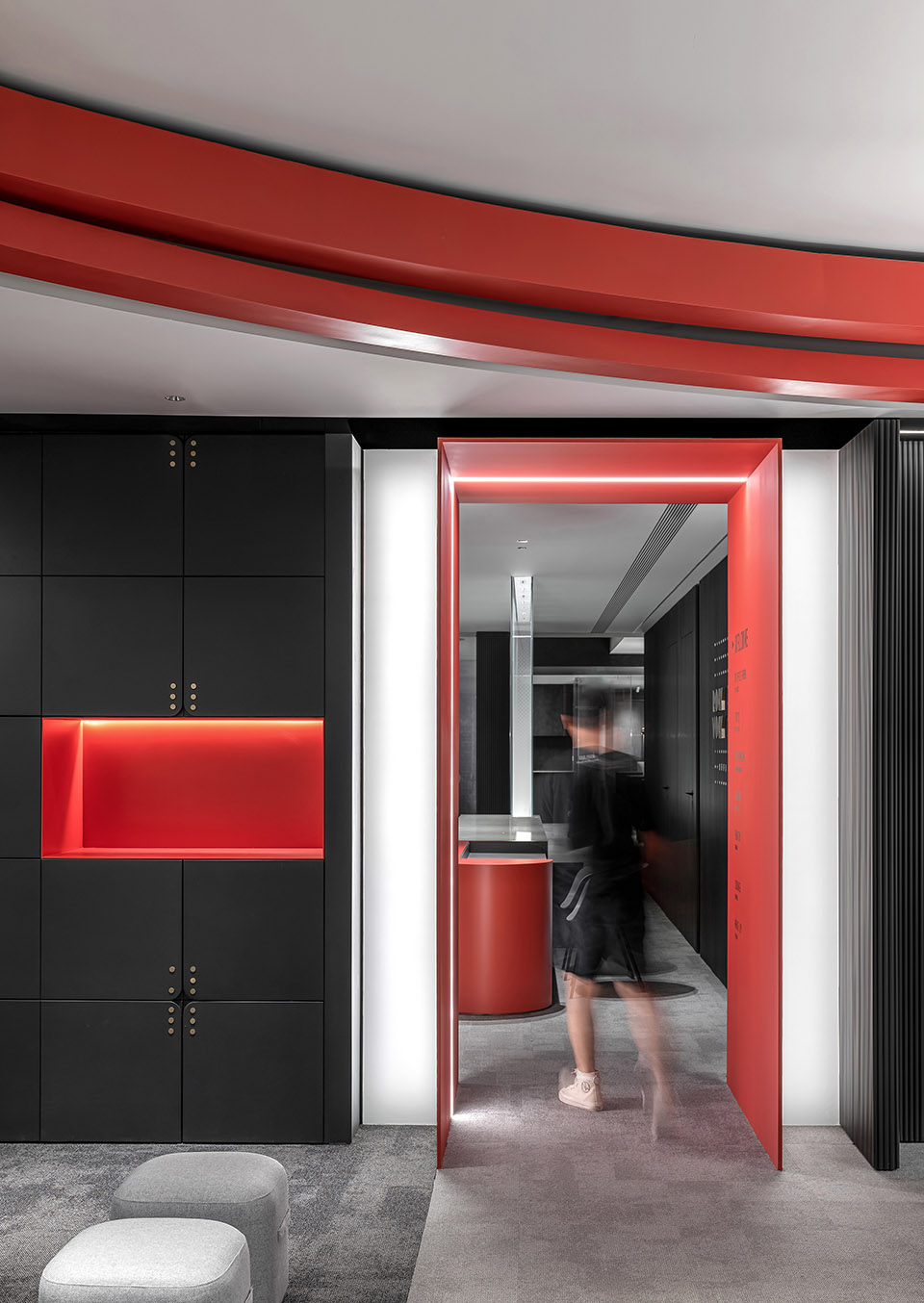
Interior Design Macau: Crafting Hospitality Spaces That Resonate & Perform
Macau’s unique social tapestry — where 文化 (culture), colonial heritage and contemporary leisure lifestyles converge — presents extraordinary opportunities for hospitality spaces to tell meaningful stories. With the city’s streetscapes ranging from Senado Square’s historic charm to the buzz of Nam Van Lake’s waterfront corridors, guests encounter a fusion of worlds that influences everything from dining rhythms to social rituals. Macau Interior Design
In my 20+ years as a creative hospitality interior designer, I’ve seen how deeply a city’s culture, climate, and lifestyle shape successful restaurant, café, and bar interiors. Interior Design Macau isn’t just about beautiful spaces — it’s about building environments that extend the city’s narrative while delivering business value.
Macau’s Hospitality Landscape: A Context‑Driven Foundation
Macau’s hospitality environment is defined by global tourism, a growing café culture, and a vibrant F&B scene that balances upscale experiences with local favourites. Casual cafés — from boutique Taipa Village spots to minimalist corners in Ilha Verde — offer respite and conversation, while cocktail bars respond to a more elevated nightlife scene where craft drinks and social moments take precedence.
The city’s small footprint and dense urban fabric invite designs that optimize every square metre for social and operational success. From alfresco dining near Rua do Cunha to intimate bar lounges inspired by Macau’s crossroads of East and West, design strategies must move beyond aesthetics to shape guest behavior, circulation and ambience.
Translating Brand Vision into Spatial Experience
At the core of Interior Design Macau is the belief that space should be an extension of the brand’s soul. Whether the brief calls for a fine‑dining restaurant, a casual café, a signature cocktail bar, or a boutique hotel lobby, the design storytelling must translate ethos into atmosphere:
Concept Storytelling & Identity
Every great hospitality space begins with a narrative — a cultural pulse, a chef’s philosophy, or a local moment. In Macau, this might mean echoing Macanese heritage through material palettes, blending Portuguese tile motifs with contemporary finishes, or crafting visual cues that reflect cha gòrdo communal rituals and convivial dining customs.
Spatial Planning & Guest Flow
Smart spatial organization isn’t just aesthetically pleasing — it supports operational logic and guest comfort. In tight urban plots, circulations zones are choreographed to reduce congestion, enhance privacy or highlight key social moments — like the reveal of a chef’s table or the transition from dining to drinks. Circulation planning directly boosts dwell time and repeat visits.
Lighting, Materials & Interior Layers
Thoughtfully selected lighting and textures create ambience that resonates across genres:
-
Warm glow lighting invites lingering in bars and lounges.
-
Natural light & shaded courtyards suit café culture and alfresco brunches.
-
Textural richness — from terrazzo floors to woven textiles — roots each space in tactile experience that guests feel as much as see.
Lighting and material decisions aren’t just beautiful — they influence mood, support functional needs, and elevate memorable moments for social sharing.
Differentiated Design for Varied Hospitality Typologies
Each hospitality format has its own design DNA:
Fine Dining & Destination Restaurants
These spaces thrive on layered sensory experiences — bold focal points like sculptural ceilings, art installations inspired by local lore, and curated pathing that turns a meal into a memorable ritual.
Casual Cafés & Boutique Coffee Spots
Here, comfort and familiarity matter. Seating flexibility, cozy nooks, and Instagram‑worthy corners encourage social sharing while building loyalty among locals and visitors alike. Macau’s emerging café culture (with themed and minimalist spaces) proves how design can spark both comfort and curiosity.
Bars & Nightlife Venues
A successful bar interior balances volume control, acoustic comfort, and moments of visual drama. In Macau’s scene — where bars are dispersed rather than clustered — each venue must craft a unique identity that draws guests through its narrative and ambience.
Boutique Hotels & Integrated Experiences
Hotels in Macau often weave F&B into their larger hospitality proposition. Interior design here creates seamless threads between the lobby, bars, and restaurants — and ensures that each moment feels purposefully curated, culturally relevant and functionally efficient.
Design That Connects to Business Outcomes
Strategic interior design doesn’t just heighten guest delight — it strengthens a venue’s bottom line. Thoughtful space planning improves:
-
Operational flow and circulation
-
Service efficiency
-
Seating capacity optimization
-
Brand memorability and social visibility
By optimizing guest flow from arrival to departure, staff efficiency improves and guest satisfaction increases — an essential component in markets where word of mouth and social media presence directly impact revenue.
Guiding the Full Spectrum of Hospitality Design
As experienced designers, we guide clients from early concept development to final styling and execution — ensuring ideas translate clearly into buildable architecture and interior environments that perform for operators and delight for guests. This includes:
-
Concept strategy and ideation
-
Technical documentation and materials specification
-
Coordination during construction
-
Final art and furniture curation
Our deep understanding of Interior Design Macau means we design with sensitivity to local culture, visitor expectations, and long‑term commercial success.
Conclusion: Shaping Macau’s Hospitality Identity
Macau’s F&B and hospitality landscape continues to evolve. Successful ventures are distinguished by design that feels alive — rooted in local expression, crafted for comfort, and engineered for experience. With Interior Design Macau that balances aesthetics with functionality, hospitality spaces don’t just meet expectations — they become destinations in their own right.
By partnering with visionary designers, restaurants, cafés, bars, nightclubs, and hotels can transform how guests connect with space, how brands are perceived, and how the city’s vibrant cultural rhythm is celebrated — one distinct interior at a time.
Connect with us in