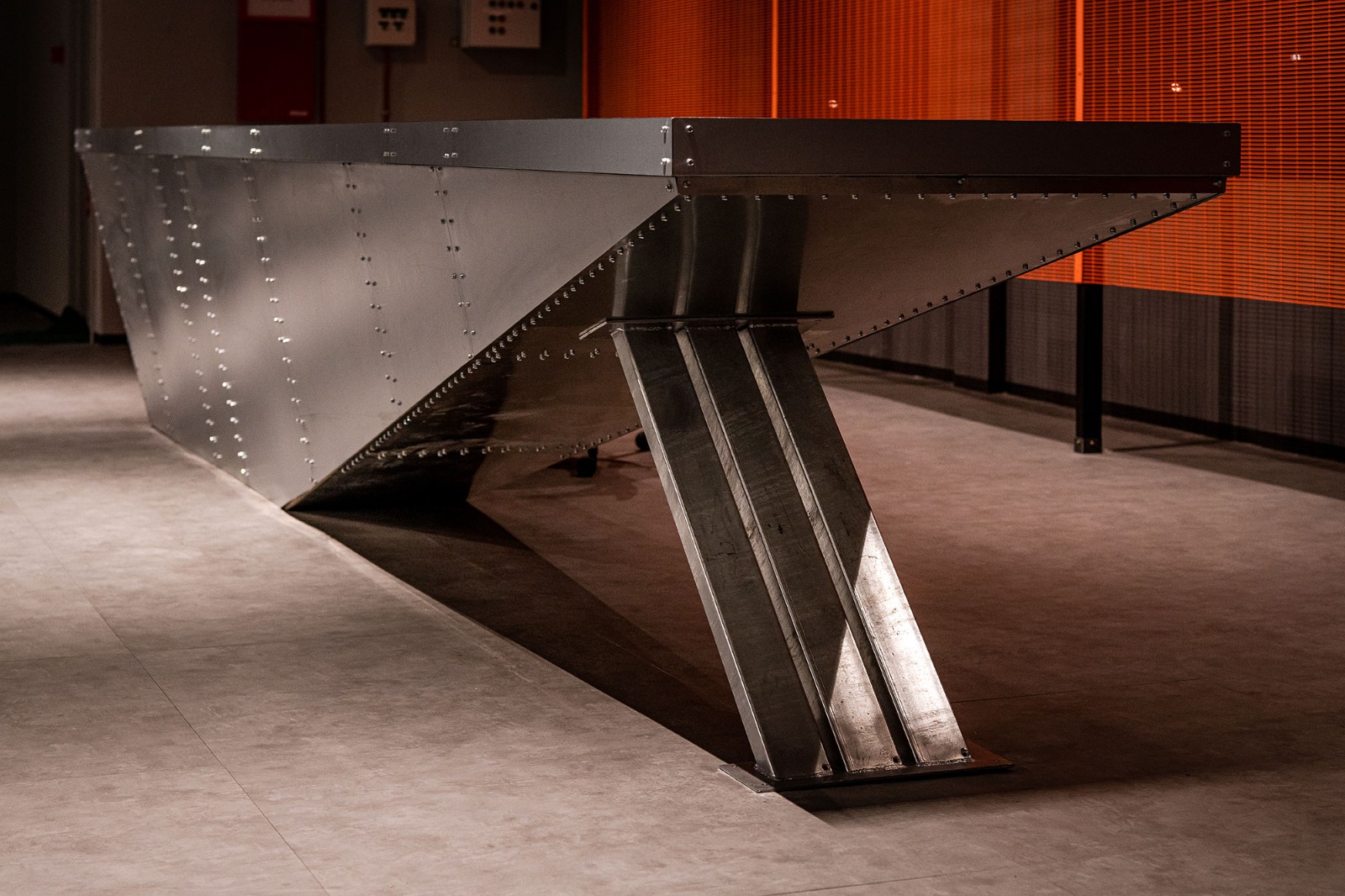
Interior Design Macau: Setting a New Standard for Modern Workplaces
In the heart of Macau, where tradition meets innovation, modern office interior design is evolving to meet the dynamic demands of the workforce. As a creative interior designer specializing in people-centric spaces, I’ve had the privilege of witnessing how thoughtful office designs can inspire creativity, enhance productivity, and elevate organizational culture. In Macau, where a blend of tourism, gaming, and emerging industries are redefining the business landscape, office environments must do more than just house employees—they must foster collaboration, flexibility, and employee well-being.Interior Design Macau
Understanding Macau’s Business Environment and Work Culture
Macau’s business environment is heavily influenced by its status as a major hub for tourism and gaming. The city’s workforce is diverse, with employees from across Asia and beyond. The rise of technology, financial services, and other non-gaming sectors has introduced new opportunities for corporate growth, particularly in areas like the Cotai Strip and the NAPE district, where prime office spaces cater to global businesses.
Macau’s work culture reflects a balance between high expectations for service excellence and the growing need for flexibility in work arrangements. As hybrid working models become more common, businesses are seeking ways to create flexible office environments that can adapt to both collaborative teamwork and quiet, focused work. The tropical climate also plays a significant role in shaping office interiors, with an increasing focus on indoor-outdoor spaces and wellness-driven designs that prioritize natural light and air circulation.
Redefining the Office Experience: The Role of Interior Design
Traditional office layouts are becoming a thing of the past. Today, businesses are looking for more than just desks and meeting rooms—they are seeking environments that support the evolving nature of work. Whether it’s activity-based working (ABW), flexible zoning, or wellness-driven spaces, modern office interior design is about creating adaptable environments that cater to the needs of diverse employees.
Key Design Strategies for Modern Workplaces in Macau
-
Activity-Based Working (ABW): This strategy encourages employees to choose workspaces that suit their tasks—be it collaborative hubs for team brainstorming or quiet pods for focused work. By providing a variety of workspaces, companies in Macau can boost employee satisfaction and optimize space usage.
-
Flexible Zoning: Instead of rigid, segmented office spaces, modern offices are adopting flexible zoning to accommodate different work styles. For example, open-plan areas might be complemented by private booths, meeting rooms, and casual lounges to foster a balance between productivity and collaboration.
-
Collaborative Hubs & Social Spaces: As hybrid work becomes increasingly popular, businesses are recognizing the importance of creating spaces that promote teamwork and social interaction. Collaborative hubs equipped with creative furniture and breakout spaces not only foster creativity but also create a sense of community within the workplace.
-
Wellness-Driven Environments: A focus on employee well-being is paramount in Macau’s modern workplaces. Incorporating natural elements, ergonomic furniture, and wellness areas—like meditation rooms or fitness zones—can boost employee morale, reduce stress, and improve overall productivity.
-
Smart Technologies & Digital Infrastructure: As companies embrace the digital age, smart office technologies are becoming a key part of interior design. From data-driven space planning to automated lighting and temperature control systems, integrating these technologies into the design ensures a seamless, future-ready workplace.
Translating Design Strategies into Spatial Solutions
At the heart of successful office interior design is the ability to translate strategies into practical spatial solutions. In Macau’s growing commercial districts, such as Cotai, a well-designed office should reflect both a company’s brand identity and the evolving needs of its workforce.
-
Efficient Space Planning & Circulation Flow: Thoughtful space planning ensures that employees can move seamlessly between zones while maintaining privacy and focus. For example, clear circulation paths prevent congestion in high-traffic areas, while collaborative hubs encourage spontaneous interactions.
-
Ergonomic Design: Furniture and layout must promote comfort and productivity. Height-adjustable desks, ergonomic chairs, and workstations that support long hours without compromising health are essential to creating a healthy work environment.
-
Lighting Strategies: In a city like Macau, where natural light is often in high demand due to the tropical climate, maximizing daylight access is key. Additionally, task lighting and adjustable lighting solutions enhance productivity and set the right mood for different work activities.
-
Acoustic Performance: Offices that feature open-plan layouts can sometimes suffer from noise distractions. Acoustic treatments, such as sound-absorbing materials and strategic space planning, are essential to creating a comfortable environment that supports concentration and focus.
-
Material Selection: In Macau, where the aesthetics of design matter greatly, the use of local materials and finishes that reflect the city’s cultural heritage can enhance the office’s character. Materials that are both durable and sustainable help support a company’s environmental goals while also contributing to an aesthetically pleasing workspace.
Tailoring Design to Office Typologies
Different office environments require tailored strategies to meet unique business goals:
-
Corporate Headquarters: These spaces need to reflect brand prestige and corporate identity. Premium materials, custom furniture, and signature design elements create a sense of exclusivity while supporting the operational needs of top executives and key departments.
-
Co-working Spaces & Startups: Flexibility is the key for these office types. Modern designs focus on adaptability, with modular furniture and open, collaborative layouts that allow for growth and change. Smart, flexible workspaces are essential in the fast-moving startup ecosystem of Macau.
-
Enterprise Offices: Large organizations need workspaces that support a variety of work styles while also accommodating larger teams. Incorporating zones for both quiet concentration and group collaboration ensures that employees can work in the most effective environment for their needs.
Connecting Design with Business Outcomes
Strong interior design not only enhances the employee experience—it also drives measurable business outcomes. For example, creating a collaborative and inspiring office environment can lead to improved team performance, higher employee retention rates, and a stronger corporate culture. Well-planned office spaces can also lead to greater space efficiency, helping businesses maximize real estate usage and reduce costs.
In Macau, where the business landscape is evolving rapidly, setting a new standard in office interior design means creating environments that are not only functional but also adaptive and human-centered. These spaces support the future of work—whether it’s hybrid models, technology-driven spaces, or wellness-oriented environments.
A Strategic Partner for Modern Workplaces
At our firm, we believe that office interior design should be a strategic driver of business success. Our expert team works closely with clients to create dynamic, high-performing workspaces that foster creativity, enhance employee engagement, and reflect the values of their business. From concept development to construction and final styling, we deliver end-to-end office design solutions that set new standards for modern workplaces in Macau.
Connect with us in