Restaurant Interior Design Macau | Creating Iconic Luxury Dining Experiences
Macau is a city where culture, luxury, and gastronomy converge. Known globally for its vibrant entertainment industry, heritage architecture, and world-class hospitality, the city has also become one of Asia’s most dynamic dining destinations. From Michelin-starred Cantonese restaurants to contemporary fusion concepts inside integrated resorts, the culinary landscape is fiercely competitive—and design plays a critical role in standing out.Restaurant Interior Design Macau
For restaurateurs in this environment, interior design is no longer simply about aesthetics. It is about crafting an experience. As designers, our role is to transform a dining venue into a destination—one that guests remember, photograph, and return to. Through thoughtful storytelling, spatial planning, and atmospheric design, our firm approaches Restaurant Interior Design Macau as a strategic journey that blends culture, hospitality, and emotional connection.
Understanding Macau’s Dining Culture and Hospitality Landscape
Macau’s dining scene is unique in Asia. The city blends Portuguese heritage with Cantonese culinary traditions, while luxury integrated resorts attract international chefs and high-end restaurant brands. Districts such as Cotai, the historic Senado Square area, and the waterfront districts around NAPE have become major dining hubs.
Several local characteristics influence restaurant interior design here:
Luxury-driven tourism
Macau receives millions of visitors annually, many arriving for entertainment, luxury retail, and fine dining. Restaurants must create memorable environments that match the expectations of international travelers.
High-end hospitality competition
Many restaurants operate within luxury hotels and resorts. Design must differentiate a venue while aligning with the property’s overall brand positioning.
Social dining culture
Large family meals, celebratory banquets, and group dining are central to local lifestyle. Flexible seating layouts and private dining rooms are essential.
Visual experience and shareability
In an era where guests often photograph their dining experiences, the restaurant environment becomes part of the brand’s marketing strategy.
These factors make Restaurant Interior Design Macau an intricate balance of cultural sensitivity, luxury hospitality, and experiential storytelling.
From Concept to Destination: The Design Journey
Creating an iconic dining environment begins long before construction. A successful restaurant interior is the result of a carefully structured design process.
1. Concept Development and Culinary Storytelling
Every memorable restaurant begins with a story.
Our firm works closely with restaurateurs and chefs to understand the culinary concept, brand values, and guest profile. Is the restaurant celebrating Portuguese heritage? Showcasing modern Cantonese cuisine? Or presenting a contemporary Asian fusion experience?
The design narrative may draw inspiration from Macau’s colonial architecture, maritime history, or the glamour of its modern entertainment districts.
This early conceptual phase ensures that the interior design reflects the restaurant’s identity—not just its menu.
2. Spatial Planning and Guest Flow
Restaurant interiors must function as beautifully as they look.
Effective spatial planning considers:
-
Guest arrival and first impressions
-
Circulation between dining zones
-
Privacy for VIP and group dining
-
Smooth service movement for staff
-
Clear kitchen-to-table efficiency
In Macau’s busy hospitality environments, flow is critical. Guests should feel effortlessly guided through the space—from the entrance to the host desk, bar lounge, and dining area.
When executed well, spatial planning creates a sense of comfort and exclusivity even in high-capacity venues.
3. Atmosphere Through Lighting Design
Lighting defines the emotional tone of a restaurant.
Luxury dining venues in Macau often use layered lighting strategies that combine:
-
Soft ambient illumination
-
Architectural accent lighting
-
Dramatic statement fixtures
-
Candle-like table lighting for intimacy
Lighting also helps create distinct zones within a restaurant—lively bar areas, intimate dining corners, and elegant private rooms.
A carefully composed lighting scheme transforms the environment from day to evening, shaping the guest experience throughout service hours.
4. Materiality and Texture
Material selection communicates quality, craftsmanship, and cultural identity.
In many Restaurant Interior Design Macau projects, designers integrate layered materials that balance luxury and authenticity:
-
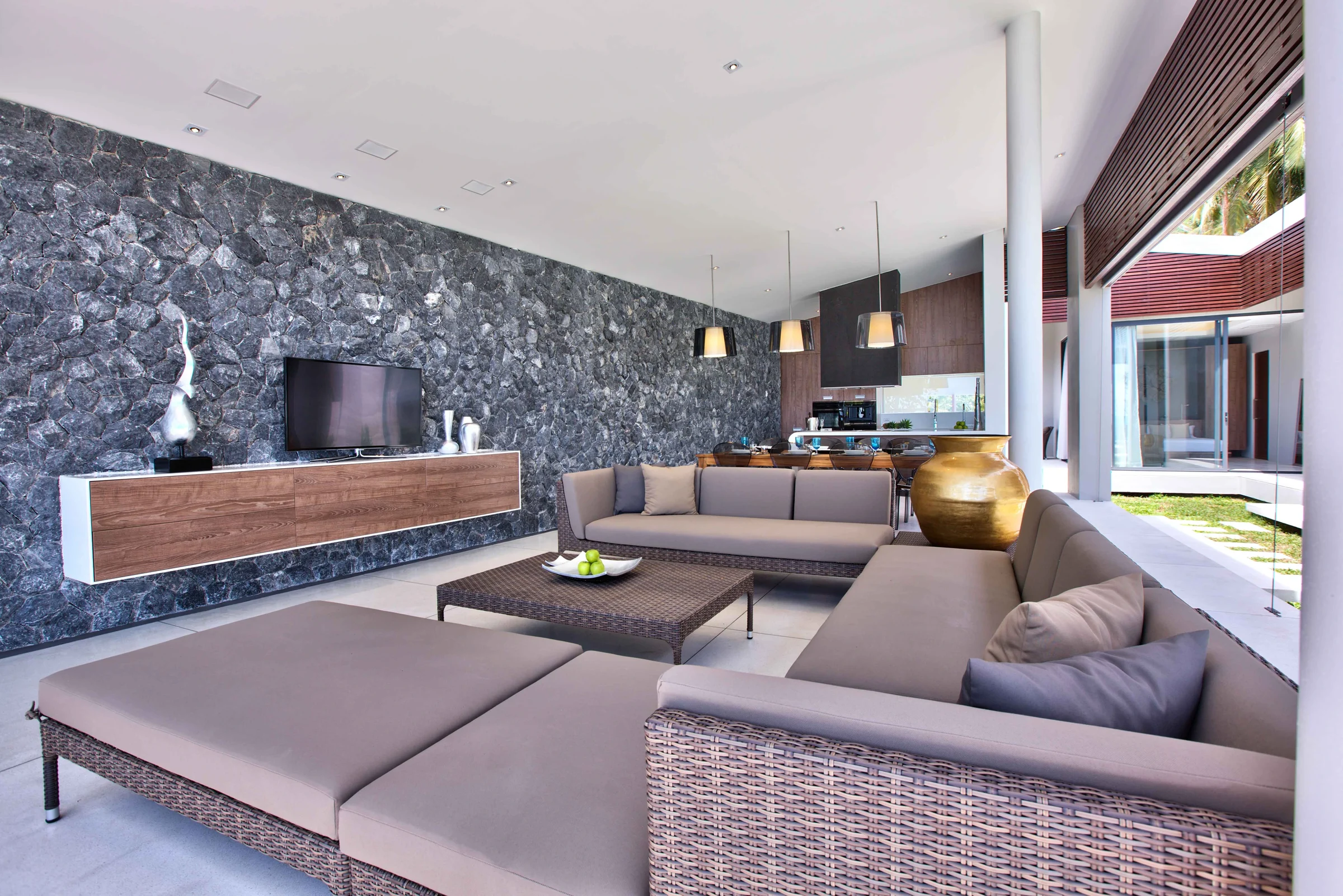
Natural stone and marble for elegance
-
Dark wood tones inspired by traditional Chinese interiors
-
Brass or bronze metal detailing
-
Handcrafted tiles referencing Portuguese design heritage
-
Velvet or leather upholstery for tactile richness
These elements work together to create a sensory environment where guests experience the restaurant through sight, touch, and atmosphere.
5. Furniture and Seating Experience
Seating design plays a major role in how guests perceive comfort and exclusivity.
Different dining behaviors require different seating experiences:
-
Banquette seating for social gatherings
-
Lounge seating near bar areas
-
Private dining rooms for celebrations
-
Chef’s tables for immersive culinary experiences
Furniture must support both aesthetics and operational efficiency. Proper table spacing ensures privacy while maintaining capacity—an important balance in high-demand dining markets like Macau.
6. Kitchen Integration and Service Coordination
Behind the scenes, the relationship between the kitchen and dining space is essential.
An efficient restaurant layout ensures that service pathways remain discreet and fluid. Designers collaborate with chefs and operations teams to integrate:
-
Kitchen visibility or open-kitchen concepts
-
Waitstaff circulation routes
-
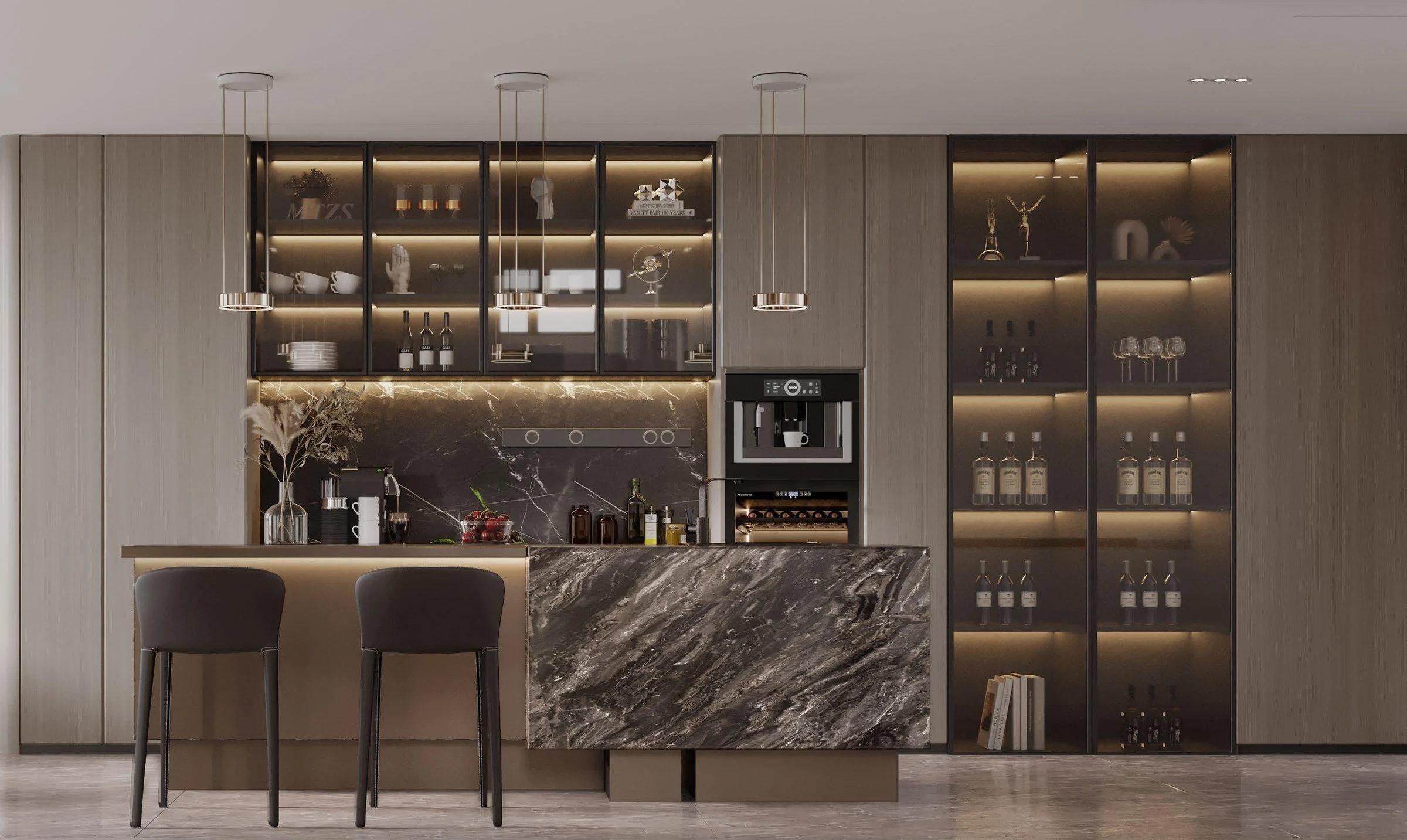
Wine storage and display
-
Service stations positioned for efficiency
When the operational layout works seamlessly, guests experience smooth service without noticing the complexity behind it.
7. Final Styling and Brand Identity
The final stage of restaurant design is where personality truly emerges.
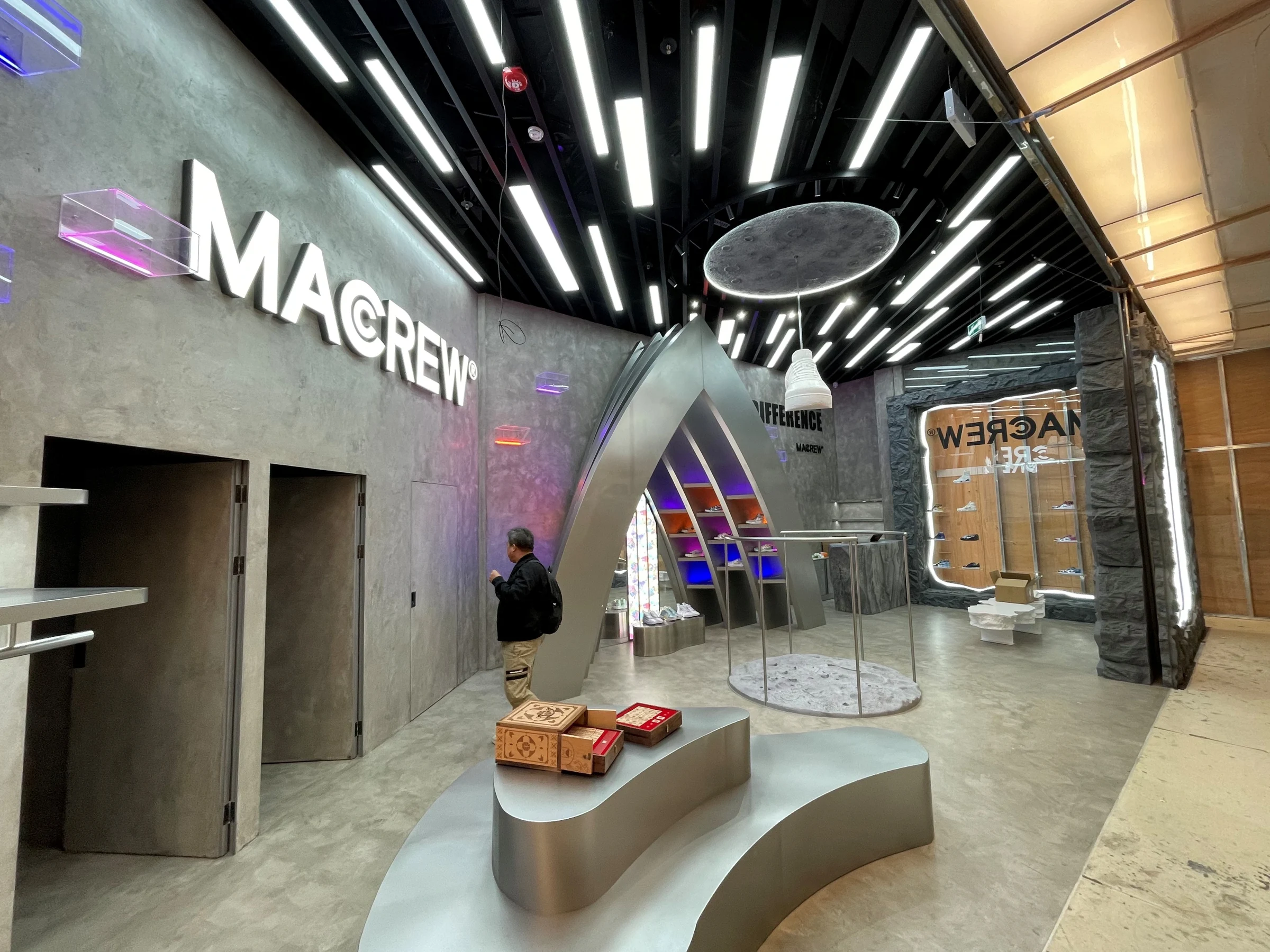
Decorative elements such as artwork, tableware, greenery, and architectural features reinforce the brand identity. In Macau’s design-forward dining scene, many restaurants incorporate statement installations, sculptural lighting, or dramatic ceilings that become signature visual moments.
These elements contribute to what many restaurateurs now call the “Instagram factor”—a visual signature that guests love to share.
Designing Iconic Dining Spaces
What transforms a restaurant from a pleasant dining venue into an iconic destination?
Several design elements often define memorable restaurants:
Strong visual identity
Guests should instantly recognize the restaurant’s character.
Architectural drama
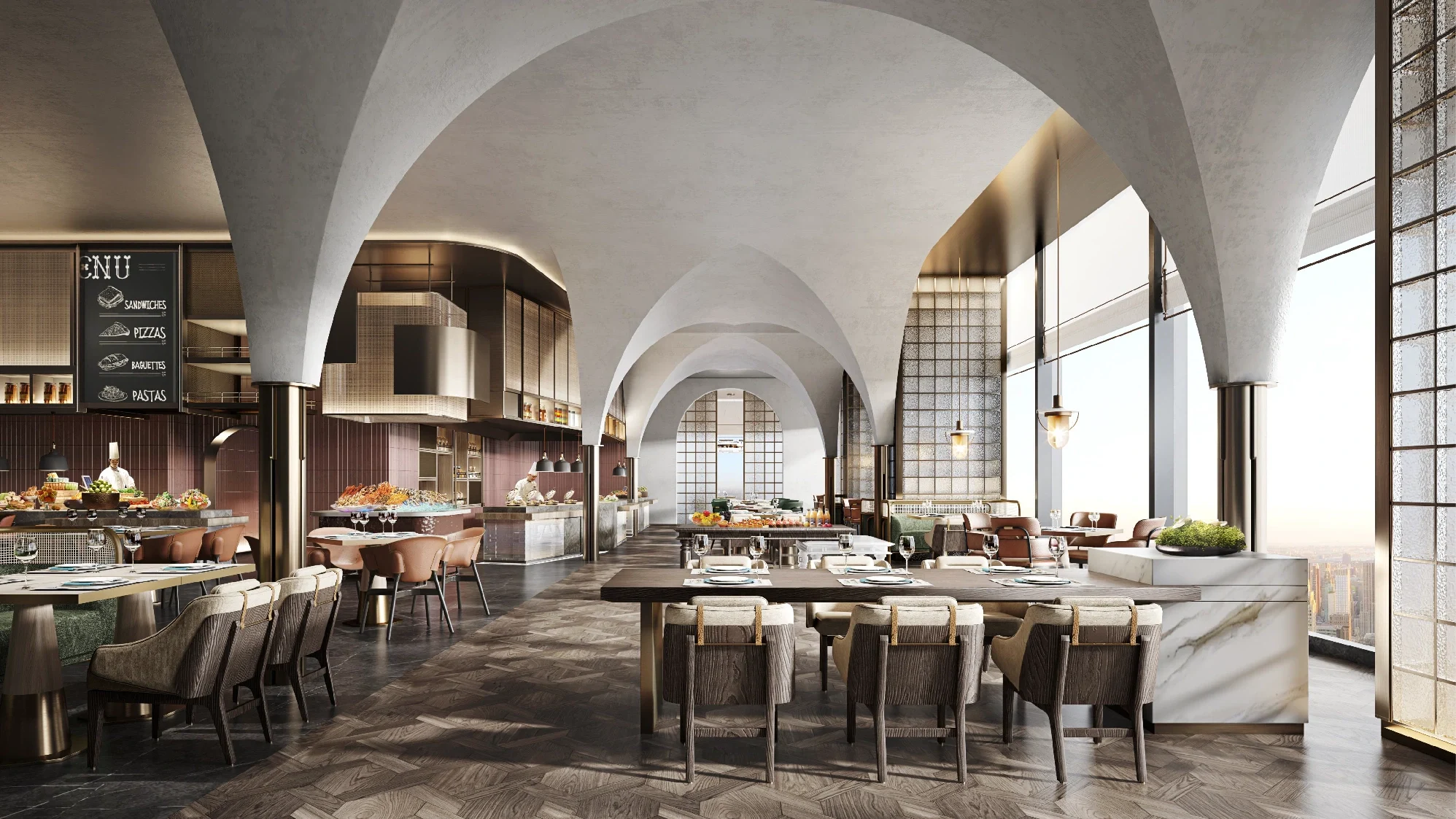
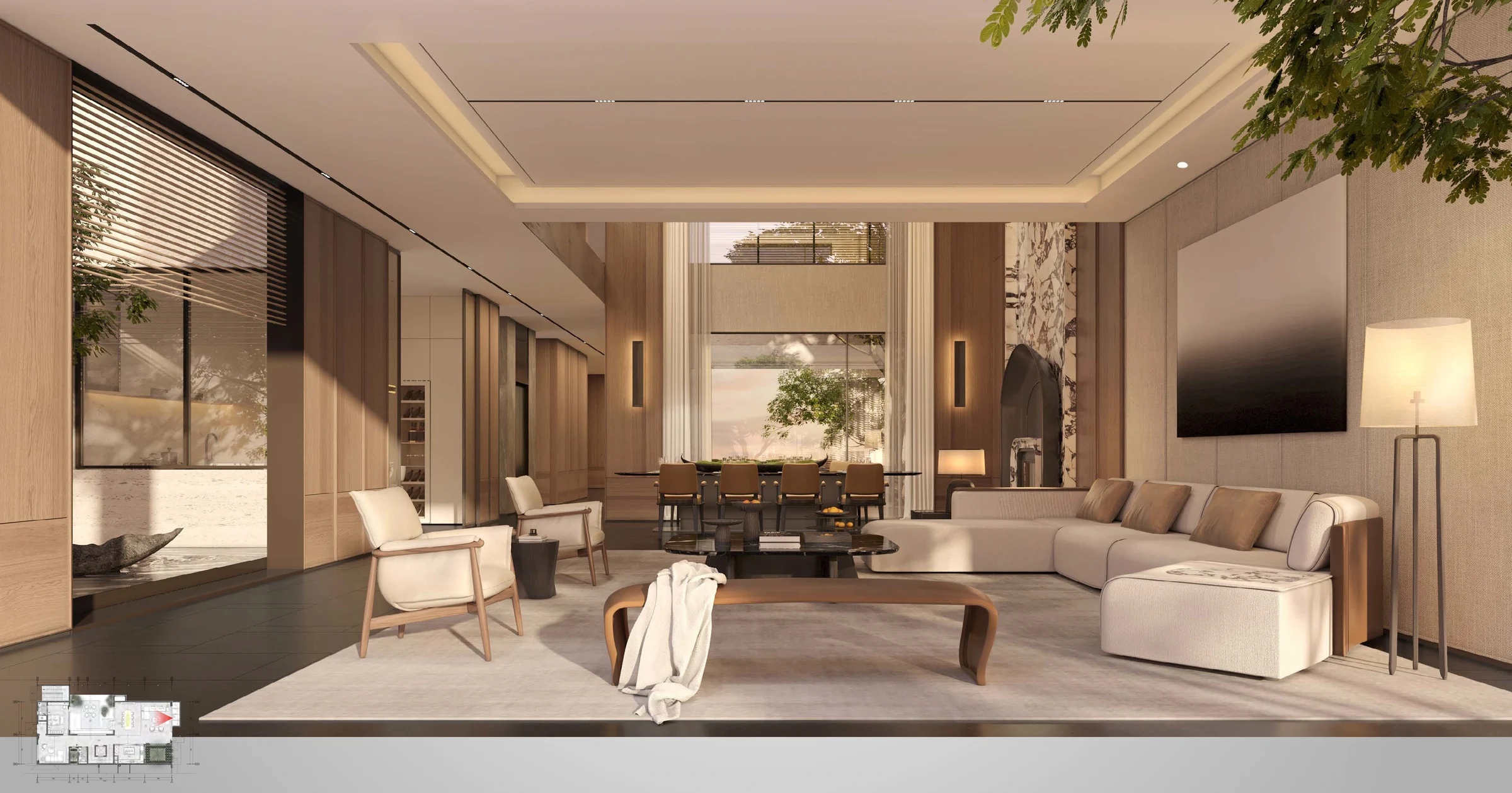
Double-height spaces, sculptural staircases, or feature ceilings create powerful impressions.
Layered ambience
Combining lighting, textures, and music builds emotional depth.
Curated seating experiences
Different seating zones accommodate various dining occasions.
Cultural storytelling
Local history, craftsmanship, and art create authenticity.
These elements elevate Restaurant Interior Design Macau from simple decoration to immersive experience design.
Design as a Business Strategy
Great restaurant interiors are not only beautiful—they are strategic.
Thoughtful design directly supports business performance by influencing:
-
Guest dwell time – Comfortable environments encourage longer visits
-
Customer loyalty – Memorable spaces inspire repeat dining
-
Brand identity – Distinctive interiors strengthen brand recognition
-
Social media visibility – Photogenic spaces become marketing tools
-
Operational efficiency – Well-planned layouts improve service speed
In competitive hospitality markets like Macau, these advantages can significantly impact long-term success.
Luxury Dining and the Art of Atmosphere
High-end and Michelin-level restaurants place extraordinary emphasis on spatial storytelling.
Guests expect more than exceptional cuisine—they expect an immersive environment where every detail reflects craftsmanship and exclusivity.
Design elements often include:
-
Bespoke furniture pieces
-
Handcrafted materials
-
Custom lighting installations
-
Art collaborations
-
Carefully choreographed guest journeys
The restaurant becomes a stage where cuisine, design, and service work together to create a complete sensory experience.
A Strategic Design Partner for Exceptional Restaurants
Designing a restaurant is both an artistic and strategic endeavor. It requires a deep understanding of hospitality operations, cultural context, and human behavior.
From concept development to final styling, our firm guides restaurateurs through every stage of the journey—ensuring that each design decision supports the culinary vision and the guest experience.
In vibrant hospitality destinations like Macau, where expectations are high and competition is global, thoughtful design can transform a dining venue into something extraordinary.
Through emotionally engaging spaces, strong storytelling, and refined craftsmanship, we help create restaurants that are not only successful businesses—but also memorable destinations in their own right.